The Chicks Join Jason Isbell’s Fight Against Suno’s Use of Artist Identities

Key Takeaways
- The Chicks are among 16 new plaintiffs added to Jason Isbell’s proposed class action against Suno.
- The complaint centers on publicity and biometric privacy rights rather than copyright infringement.
- Suno argues that artist names can lawfully describe a musical style or genre.
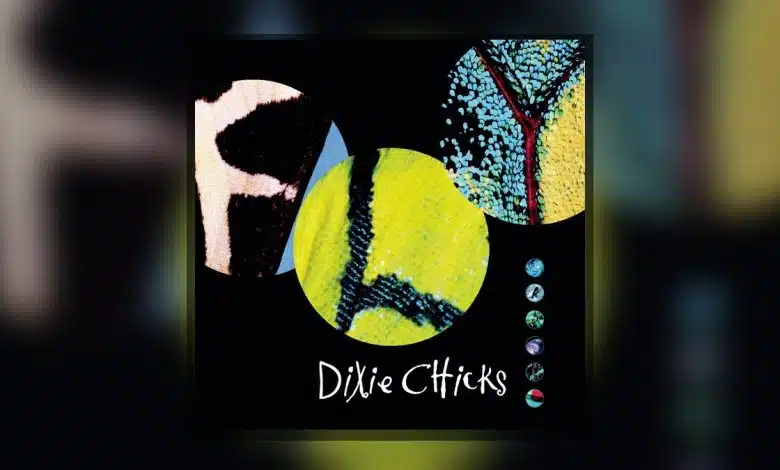
The Chicks have joined Jason Isbell’s proposed class action against AI music company Suno, expanding a legal fight over the commercial use of musicians’ identities. Sixteen new plaintiffs entered the case through an amended complaint filed November 24 in Boston federal court.
A broader group of musicians enters the case
The new plaintiffs include The Chicks members Martie Maguire, Natalie Maines, and Emily Strayer. David Longstreth, Carl Craig, Phil Elverum, Ezra Furman, Lydia Loveless, Kealiʻi Reichel, and several other artists also joined, according to Music Business Worldwide.
Julia Colón Craig and Joyce Moore are participating as heirs of salsa bandleader Willie Colón and soul singer Sam Moore. Their involvement adds estate and postmortem publicity claims that the four original plaintiffs could not personally bring.
The lawsuit targets identity use rather than copyright
Despite the wider debate over AI training data, this complaint does not make copyright claims. It accuses Suno of encoding recognizable musician identities into its models, then producing songs, descriptions, and cover images that evoke those artists when users enter their names.
Isbell filed the original case on August 31 with David Lowery, Guy Forsyth, and saxophonist Eduardo Calle. Attorney Alan D. Rose wrote that Suno used musicians’ identities to build a commercial product without consent, as reported by Variety.
Publicity rights sit at the center of the dispute
The plaintiffs are pursuing claims under right of publicity laws in 14 states and Puerto Rico, along with Illinois’ Biometric Information Privacy Act. They seek class action status, damages, and an order stopping Suno from capturing and monetizing artist identities without permission.
The expanded plaintiff group includes residents of Illinois, California, New York, Michigan, Ohio, Pennsylvania, Washington, Massachusetts, New Jersey, and Hawaii. That geographic reach could help answer Suno’s argument that the original plaintiffs lacked standing to sue under laws in states where they did not live.
Suno says musical style belongs to public expression
Suno has asked the court to dismiss the case, arguing that people commonly use artist names as shorthand for genres and styles. Its lawyers told the court there is nothing unlawful about requesting music with a particular artist’s vibe, according to Billboard.
The company also argues that the First Amendment protects this familiar way of describing creative ideas. The plaintiffs draw the line at a commercial model that can answer an artist’s name with output designed to evoke that person’s musical identity.
Why this case matters beyond its famous names
The amended complaint puts a basic creator business question before the court: how much control does a musician retain when an AI platform converts a recognizable identity into a product feature? That issue reaches working artists whose names, voices, and styles carry economic value even without superstar visibility.
For Latino musicians and heirs, the Puerto Rico claims and Willie Colón estate involvement give the dispute added weight. The court’s response could influence how artists protect identity rights as AI music tools become easier to use and harder to separate from the culture that trained them.